
How to Properly Fuel and Hydrate for Hot Weather Workouts
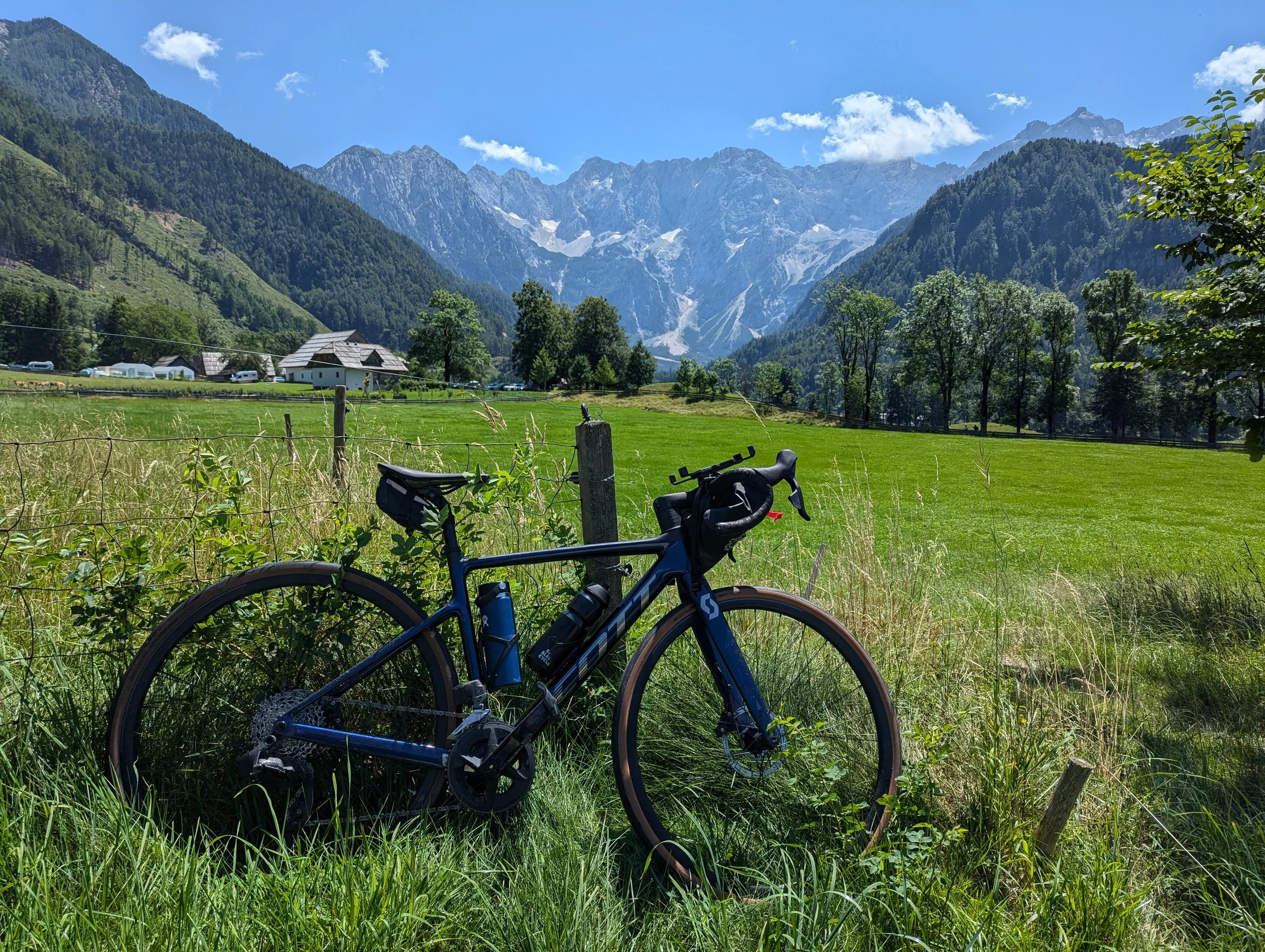
The next few days in the valley are looking HOT. I don’t know about you, but when the summer heat and humidity roll in, exercising changes. I have to mentally prepare for exerting myself in the heat. If you’ve ever gone out for a run, a ride, or an outdoor workout in 90 degree humidity, and felt like you hit an invisible wall twenty minutes in, you aren't out of shape (probably)—you are just dealing with a completely different physiological environment.
In hot weather, your body has to work twice as hard. It is simultaneously directing blood flow to your working muscles and to your skin to help you sweat and cool down.
To keep your performance up and your body safe, you have to step your hydration and fueling strategies.
1. Water Alone Isn't Enough: The Importance of Electrolytes
I’m sure you have heard that you should be drinking electrolytes, but why do we actually NEED to? If you are sweating heavily and only replacing that fluid with plain water, you are actually diluting the concentration of sodium in your blood. This can lead to a drop in performance, muscle cramps, headaches, and in severe cases, hyponatremia.
When you sweat, you lose both water and crucial minerals—primarily sodium.
Why electrolytes matter: Sodium acts like a sponge, helping your body actually absorb and hold onto the water you drink, maintaining your blood volume and supporting muscle function.
The strategy: If you are exercising intensely in the heat for more than 60 minutes, plain water won't cut it. Sip on an electrolyte drink that prioritizes sodium to maintain your fluid balance.
2. How to Fuel in the Heat: Minimum 60g of Carbs Per Hour
Hot weather can really curb your appetite, but in this case, we need to push past our lack of a hunger cue and make sure that we are eating enough to support exercising. When it’s hot, your heart rate is naturally higher, and your body relies much more heavily on carbohydrates for quick energy than it does on a cool day.
To prevent bonking and keep your energy stable, you need a steady stream of easily digestible fuel.
The Target: Aim for a minimum of 60 grams of carbohydrates per hour for long outdoor workouts.
Why so high? Your brain and muscles consume glycogen rapidly in the heat. Giving your system a consistent 60g+ per hour ensures you aren't running on fumes.
The strategy: Look for easily digestible carbs, such as gels chews, or my personal favorite, Nerds Clusters. Having carbs that are easily digestible takes the stress of of your digestive system and allows more blood flow to go into your muscles.
Start before your body reminds you!
The most important thing to remember is that hot-weather fueling is proactive, not reactive. If you wait until you are thirsty to drink, or until you feel lightheaded to eat, it’s already too late.
Go into your outdoor sessions hydrated, start sipping your electrolytes and taking in your carbohydrates early in the workout, and give your body the support it needs to do amazing things, even in the heat.
How to Rebuild Core Strength After Pregnancy
If you take away only one thing from this post, let it be this: your postpartum core is not “ruined.”
It went through a profound, year-long transition to grow a small alien (human being). It doesn’t need to be "fixed"—it simply needs to be rebuilt with intention and patience.
Here is a simple, evidence-based progression to help you navigate your core rehab after pregnancy and feel strong in your body again.
Step 1: Reconnect with Your Breath
Before we even think about dynamic movement, we have to start with the breath. Your breath is the driver of intra-abdominal pressure management. When your breathing mechanics are dialed in, your core can automatically do its job better.
Start by focusing on:
Diaphragmatic breathing: Inhaling to let the belly and ribs expand, rather than just breathing high into the chest.
360-degree rib expansion: Feeling your ribcage open laterally and into your back.
Pelvic floor awareness: Learning how to gently coordinate the relaxation and engagement of the pelvic floor with your inhale and exhale.
Step 2: Rebuild the Deep Core
Once you’ve re-established that breath connection, you can start applying it to movement. You don’t need high-intensity, complex exercises to get results here. Simple works beautifully.
Incorporate foundational movements like:
Try doing 3 sets of 10 of these 3 days per week to start out.
Step 3: Load Gradually
Rehab doesn't mean staying in the "gentle movement" phase forever. To truly get your function back for real life, you have to gradually increase the demand on your body.
Eventually, your routine should progress to compound movements like:
Squats
Loaded carries
Deadlifts
Yes—real strength training absolutely belongs here. Rebuilding your core isn't just about flat abs; it's about building a body that you can rely on.
How Much Protein Do Women Need During Perimenopause?
There’s a common misconception that as we get older, we can ease up on our protein intake. In reality, the exact opposite is true. Protein becomes more important—not less—with age.
The "Why" Behind the Need
As women, our bodies go through significant hormonal shifts over time. These changes naturally make it a bit harder for our bodies to do what they used to do effortlessly. Specifically, higher protein intake becomes essential to help us:
Preserve lean muscle mass (which keeps our metabolism firing and our bodies strong)
Recover efficiently from workouts and daily stressors
Regulate appetite and keep energy levels stable throughout the day
How Much Do You Actually Need?
While individual needs always vary based on your specific lifestyle and goals, a fantastic, evidence-based target for many women to aim for is 1.6 to 2.2 grams of protein per kilogram of body weight daily. For example, I weigh about 63kg, so I aim for 104-143g of protein per day.
But don't worry about having to hit a massive number all at once. The secret to making this sustainable and not immediately cause shock to your gut, is to add in protein slowly, and spread it out over multiple meals.
To maximize something called muscle protein synthesis (the process where your body actually uses that protein to repair and build muscle), try aiming for a solid serving (25-35g of protein) at:
Breakfast (greek yogurt, protein oatmeal, eggs etc.)
Lunch (ground turkey, chicken, deli meat)
Dinner (salmon, tuna, chicken, turkey)
An optional snack (if you need a bridge between meals!)
The Ultimate Dynamic Duo
Eating more protein alone is helpful. Proteins make up not only your muscles, but also the material that makes up your organs, so it literally provides the building blocks your body needs to function.
But if you want to truly shift how you feel, look, and move? Pair that protein with strength training.
Protein alone helps. But Protein + Lifting will be the key to shifting how your body feels and looks during menopause and perimenopause and beyond.
The Masters Athlete: Redefining Power and Bone Health After 40
Bone Density and Muscular Power Over 40
If you’re in your 50s or 60s, you’ve probably been told to "be careful" or "stick to low impact." But as a coach/nerd I’m here to bring up the science behind your muscles and bones. The safer you try to be by avoiding movement, the more fragile you actually become.
If you know me, you know I am not training my clients to win gold medals, I train them to be "hard to break." Whether that’s slipping on a patch of ice, reaching for a heavy box on a high shelf, or keeping up with the grandkids, life requires power and bone density.
The "Why" Behind the Impact
We naturally lose bone density as we age, which is the leading cause of fractures later in life. To keep your bones strong, you need to "surprise" them by forcing impact on them for them to realize they need to add more bone to withstand future stress.
Think of your bones like a bank account. You want to make "deposits" of strength and density now so you have a reserve later. Walking is a great "maintenance" habit, but it isn't a "deposit." Impact is the deposit.
Power: The "Use It or Lose It" Quality
Sarcopenia (muscle loss) gets all the headlines, but the loss of muscle power also happens quickly as we age. Power is what allows you to catch yourself if you trip, or to stay quick on the tennis court.
By placing jump variations in our sessions, we prime your Central Nervous System (CNS) and keep those fast-twitch fibers "awake." We aren't training you to be a pro high-jumper; we’re training you to catch yourself when you fall and even make sure you can beat your pickleball partner.
The Step-Down Strategy: Start Where You Are
You don’t need to be a "jumper" to get the benefits of impact training. In fact, you can start today in your own hallway.
The "Bottom Step" Habit:
Go to the bottom step of your stairs.
Lightly hop off onto a flat surface.
Do this 10 times, 3 times a day.
Aim for 3–4 days a week.
The Goal: A "Larger Life"
The point of this training isn't to see how much you can lift; it’s to see how much more you can do outside the gym.
It’s about the confidence to go on that e-bike tour in the Dolomites.
It’s about the strength to garden for three hours without a sore back.
It’s about staying independent and active for the next 30 years.