How to Properly Fuel and Hydrate for Hot Weather Workouts
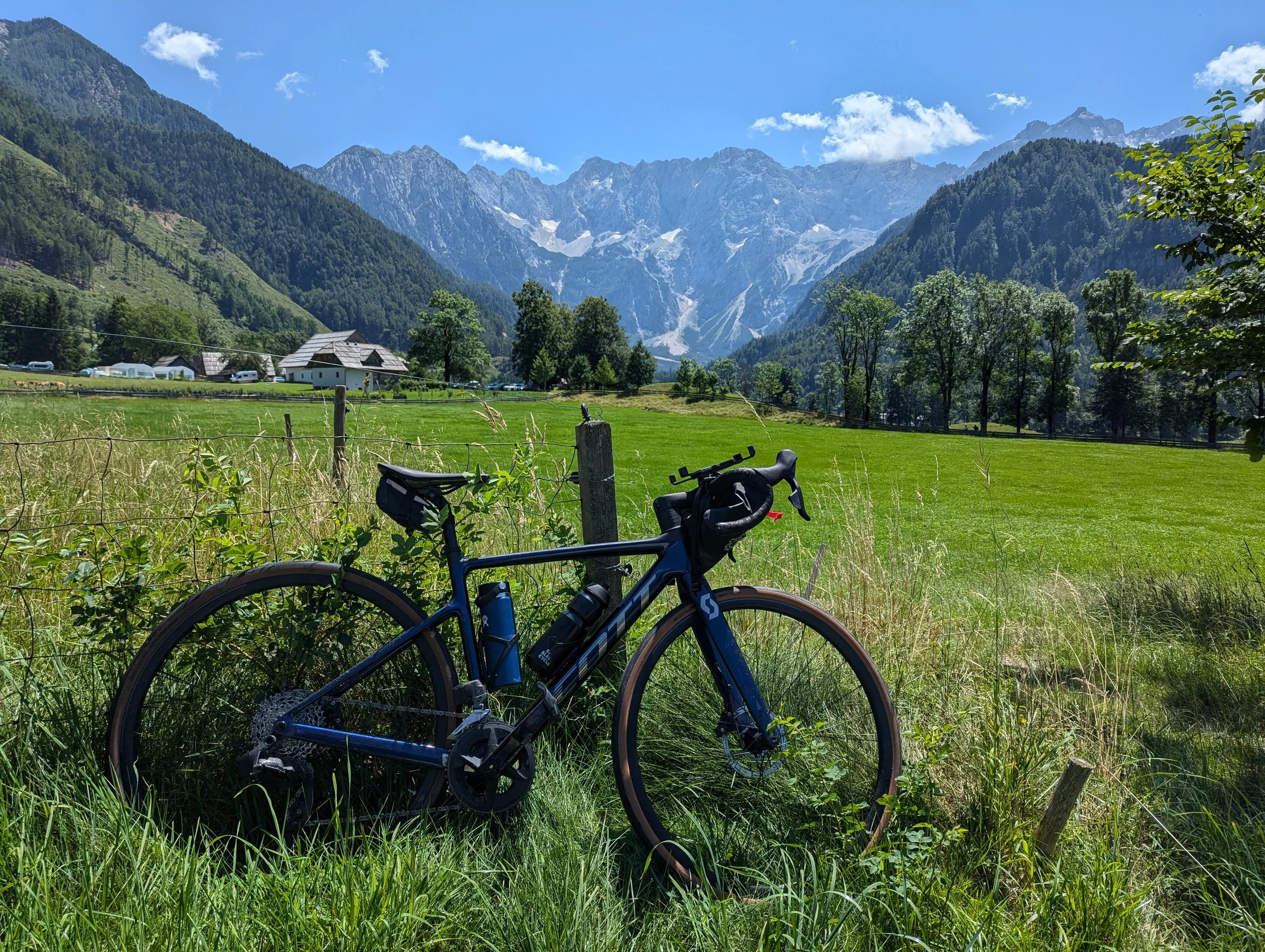
The next few days in the valley are looking HOT. I don’t know about you, but when the summer heat and humidity roll in, exercising changes. I have to mentally prepare for exerting myself in the heat. If you’ve ever gone out for a run, a ride, or an outdoor workout in 90 degree humidity, and felt like you hit an invisible wall twenty minutes in, you aren't out of shape (probably)—you are just dealing with a completely different physiological environment.
In hot weather, your body has to work twice as hard. It is simultaneously directing blood flow to your working muscles and to your skin to help you sweat and cool down.
To keep your performance up and your body safe, you have to step your hydration and fueling strategies.
1. Water Alone Isn't Enough: The Importance of Electrolytes
I’m sure you have heard that you should be drinking electrolytes, but why do we actually NEED to? If you are sweating heavily and only replacing that fluid with plain water, you are actually diluting the concentration of sodium in your blood. This can lead to a drop in performance, muscle cramps, headaches, and in severe cases, hyponatremia.
When you sweat, you lose both water and crucial minerals—primarily sodium.
Why electrolytes matter: Sodium acts like a sponge, helping your body actually absorb and hold onto the water you drink, maintaining your blood volume and supporting muscle function.
The strategy: If you are exercising intensely in the heat for more than 60 minutes, plain water won't cut it. Sip on an electrolyte drink that prioritizes sodium to maintain your fluid balance.
2. How to Fuel in the Heat: Minimum 60g of Carbs Per Hour
Hot weather can really curb your appetite, but in this case, we need to push past our lack of a hunger cue and make sure that we are eating enough to support exercising. When it’s hot, your heart rate is naturally higher, and your body relies much more heavily on carbohydrates for quick energy than it does on a cool day.
To prevent bonking and keep your energy stable, you need a steady stream of easily digestible fuel.
The Target: Aim for a minimum of 60 grams of carbohydrates per hour for long outdoor workouts.
Why so high? Your brain and muscles consume glycogen rapidly in the heat. Giving your system a consistent 60g+ per hour ensures you aren't running on fumes.
The strategy: Look for easily digestible carbs, such as gels chews, or my personal favorite, Nerds Clusters. Having carbs that are easily digestible takes the stress of of your digestive system and allows more blood flow to go into your muscles.
Start before your body reminds you!
The most important thing to remember is that hot-weather fueling is proactive, not reactive. If you wait until you are thirsty to drink, or until you feel lightheaded to eat, it’s already too late.
Go into your outdoor sessions hydrated, start sipping your electrolytes and taking in your carbohydrates early in the workout, and give your body the support it needs to do amazing things, even in the heat.